SUSTEPS M30 Meeting | Hosted by Ketjen Corporation
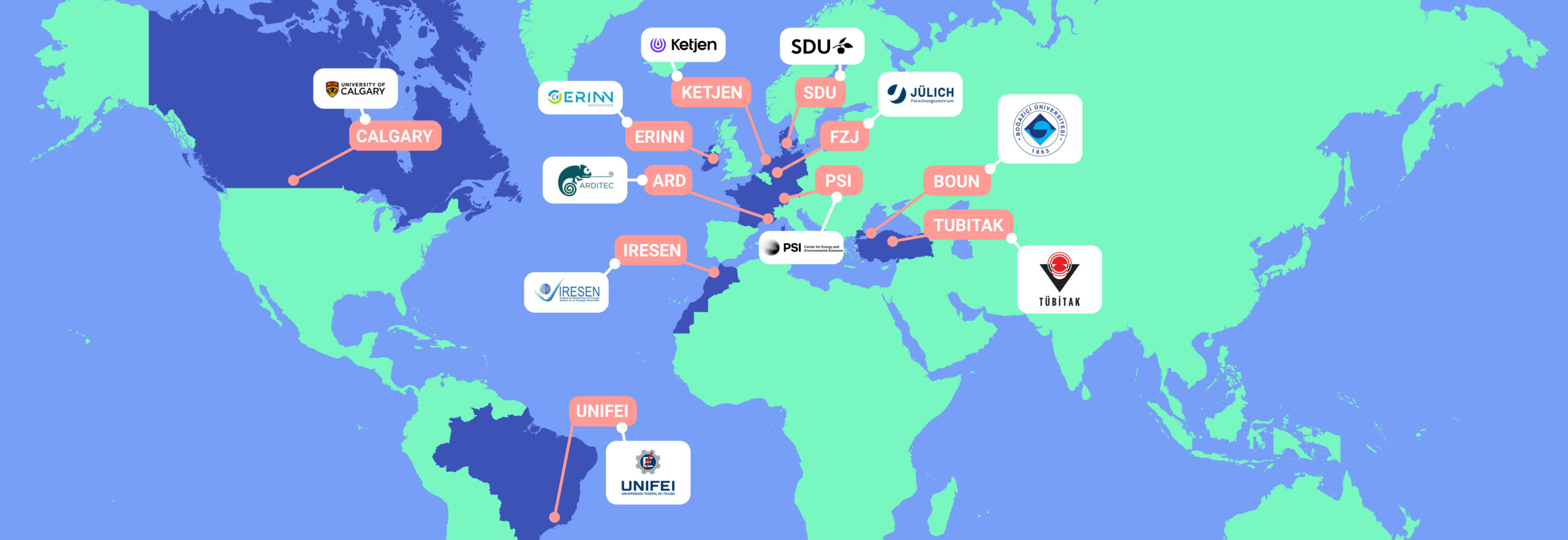
📌 SUSTEPS M30 Meeting | Hosted by Ketjen Corporation, Amsterdam! Last week, the SUSTEPS consortium held the project meeting (M30) at the facilities of our partner
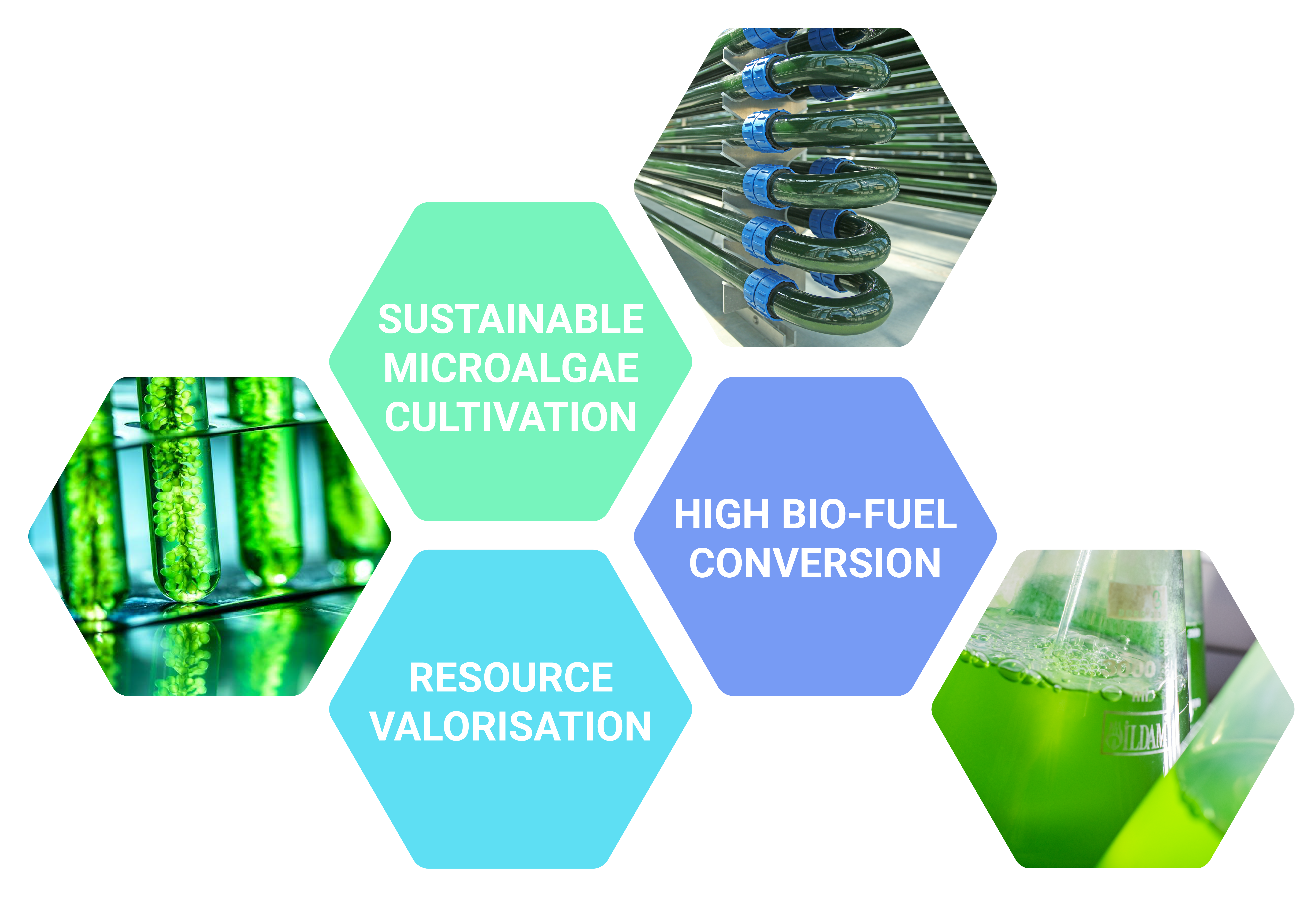
The SUSTEPS project is a comprehensive initiative focused on advancing the sustainable production of biofuels from microalgae. It addresses the entire value chain of this innovative process, aiming to identify and overcome challenges while maximizing opportunities. The project involves various key elements, including microalgae cultivation and carbon dioxide (CO2) fixation, processing microalgae into biocrude, upgrading biocrude, producing green hydrogen, and valorizing aqueous streams.
Date starting : september 2023
Project duration : 48 months
Project budget : 3 millions euros
SUSTEPS aims to enhance the sustainable production of algae-based biofuels by addressing challenges and leveraging opportunities in the value chain. The project focuses on developing a cost-effective…
The production of biofuels using microalgae as a raw material and CO2 as a feedstock holds significant potential for positive environmental impact. This innovative approach not only provides…
SUSTEPS main overall objective is to improve key knowledge, identify systemic constraints and opportunities, and propose solutions for the scaling up of a sustainable algae-based biofuel value chain. In order to…

📌 SUSTEPS M30 Meeting | Hosted by Ketjen Corporation, Amsterdam! Last week, the SUSTEPS consortium held the project meeting (M30) at the facilities of our partner

Techno-economic assessment and modeling of green hydrogen production using renewable energy: a case study of Moroccan regions. Read the full article here: https://www.sciencedirect.com/science/article/pii/S2590174526003764

Nanofiltration of synthetic HTL-AP: rejection, fouling analysis, and membrane autopsy. Read the full article here: https://www.sciencedirect.com/science/article/pii/S037673882600058X

Phosphate recovery by struvite production from synthetic wastewater using a highly scalable 3D printed filter-press electrochemical flowcell. Read the full article here: https://www.sciencedirect.com/science/article/pii/S2213343726008961